石田梅岩 石門心学 商売について - りか - CLUB 一休・イッキュウ - 蕨のキャバクラ
掲載店舗:3375店 女の子:45429人



CLUB 一休 (イッキュウ)
蕨 キャバクラ
埼玉県川口市芝新町2-15 シティプラザ新町ビル 2F
TEL:048-424-8853
 お気に入り登録
★ |
★ |
★ |

 りかさんのブログをテキスト検索
石田梅岩 石門心学 商売について
2026年09月13日 04時39分
最近、執行草舟さんの『悲願へ』を読んでいる。
その中で松下幸之助について書かれた箇所から、気になる言葉に出会った。
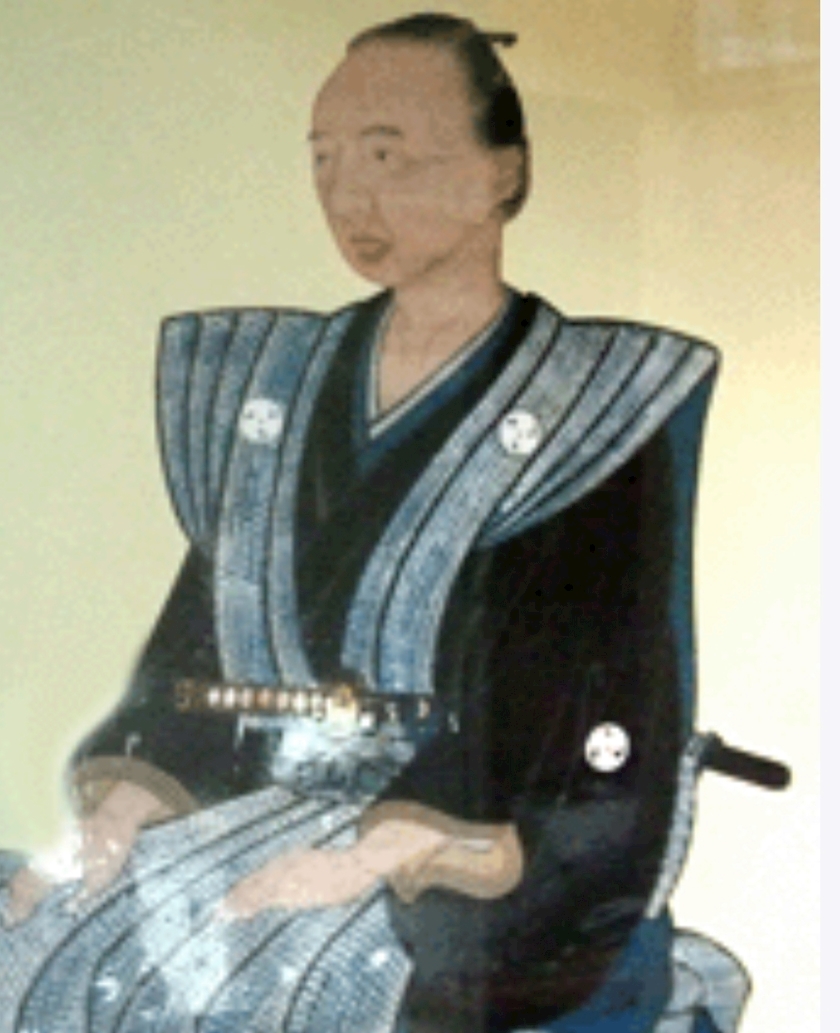
石田梅岩、石門心学。
松下幸之助の商道の原点は石門心学にあるそうだ。
これは学ばない理由がない。
石田梅岩は江戸時代の思想家である。
農家に生まれ、京都の商家で長く奉公した人物で、学者として机上で商売を考えていた人ではない。
梅岩の言葉に、
商人の売利は士の禄に同じ。
というものがある。
武士がその職分を果たして禄を受け取るのと同じように、商人が商売によって利益を得ることも正当なことである、という考えだ。
江戸時代、商人は経済を支える存在でありながら、道徳的には決して高く評価されていたわけではなかった。
自ら物を生産する農民や職人とは違い、物を売買し、その差額から利益を得る商人に対して、利益を追い求める卑しい存在という見方もあった。
その時代において、商人の売利について武士の禄と同等に位置づけたのだ。
商人が利益を得ることそのものを肯定した思想である。
今読むと当然に思えるけれど、商人やその利益が低く見られることのあった時代背景を考えると、この言葉は重い。
ただし、勿論だが、儲かれば何をしてもいい。という話ではない。
梅岩は正直や倹約を重んじた。
まず正直について。
ここでいう正直とは、単に嘘をつかないという意味ではない。
私欲によって本来の心を歪めず、人間としてあるべき姿のままに生きることに近い。
正直であれば信用されるから、正直に商売をしようという話ではない。
信用を得るためでも、商売を成功させるためでもない。
正直そのものが生き方なのだ。
正直であることに、何かを得るための目的はない。
それが人間のあるべき姿だから、正直である。
同じ正直に商売をする、でも、始まりが全く違う。
人間としてあるべき姿からのスタートなのだ。
そして、倹約。
倹約というと、節約する、といった意味を想像しやすい。
しかし梅岩のいう倹約は、物やお金を無駄にせず、あるべきところに正しく使うことを言っている。
使わないことが善なのではなく、必要なところにはきちんと使い、物もお金も、その価値を生かすこと。
倹約という言葉から想像するものより、ずっと豊かな思想だ。
なぜ梅岩は正直や倹約をこれほど重んじたのか。
ここを調べると、石門心学という名前の意味が分かる。
どうして商道が心学なのかと思っていたが、梅岩が根本で考えていたのは、商売の方法ではない。
梅岩は、まず、人間とは何か。心とは何か。人間はいかに生きるべきか。
ということを考えている。
人間そのものを考えてからの商道なのだ。
だから「心学」なんだ。腑に落ちる。
どうすれば商売がうまくいくのかから始まっているのではない。
人間はいかにあるべきか、から始まり、その人間が商人であるなら、どう商うべきかを考える。
順番が逆だ。
ここが、最近のビジネス書を読んでいて感じる薄っぺらさとの違いなのだと思う。
成功するために誠実でいよう。信用されるために正直でいよう。人に好かれるためにこう振る舞おう。
あまりにも稚拙で薄っぺらく、軽すぎる。自己中心主義の思想なのだ。
石門心学は違う。
どうすれば成功できるのかより先に、成功しようとしているその人間は、どうあるべきなのか、を問う。
まず先に、人間がある。
そして、心学の心は自分の内側だけで完結するものでもない。
自分と他人。自分と物。自分とお金、仕事、社会。
石門心学はすべてを関係の中で見ており、自己完結していない。
自分の心を究めて、自分一人が満足して終わるのではない。
その心が、人への接し方、お金の使い方、仕事への向き合い方、社会との関わり方に繋がっていく。
だから心を学ぶのだ。
そして、この関係という考え方から、お金についても考えた。
私は以前から、人の時間や労力、技術には、対価を払うべきだと思っている。
無償であることを、無条件に美徳だとは思わない。
自らの意思で持っているものを誰かに無償で与えたいと思い、そうすることは自由だ。
しかし、受け取る側が無償を当然だと思うことは、お門違いなのではないか?と。
私は、何かをしてもらったときにその時間や労力に対して対価を払うことは、相手への敬意だと思っている。
お金を払うという行為は、単なる損得ではなく、相手の持つ価値を認めることでもあるからだ。
だから私は、ボランティアというものが好きではない。
他人の時間や労力を、無償で受け取ることを当然とする感覚が好きではない。
そしてこれもまた、石門心学の観点から考えてみると、お金を払うか、払わないか。だけの問題ではない。
結局は、相手とどういう関係を結ぶのかという問題なのだと思う。
商売について知りたくて石門心学を調べ始めたのに、結局辿り着いたのは、人間はいかに生きるべきかという問いだ。
商売の前に人間があり、利益の前に心がある。
300年近く前に説かれた思想なのに、今のビジネス論よりずっと人間を深く見ている。
商道を学ぶとは、結局、人間を学ぶことだ。
石門心学、まだまだ掘りたい。
掘りきれてないから、まだ調べます。
書いてたら朝になった笑
Recently, I have been reading Higan e by Soshu Shigyo.
In a section about Konosuke Matsushita, I came across two terms that caught my attention:
Baigan Ishida and Sekimon Shingaku.
It is said that the roots of Matsushita’s philosophy of business can be found in Sekimon Shingaku.
There was no reason for me not to learn about it.
Baigan Ishida was an Edo-period thinker.
Born into a farming family, he spent many years working in merchant houses in Kyoto. He was not a scholar who thought about commerce only from behind a desk.
One of Ishida’s well-known sayings is:
“A merchant’s profit is equivalent to a samurai’s stipend.”
In other words, just as a samurai received a stipend for fulfilling his role, it was equally legitimate for a merchant to earn a profit by fulfilling his own role through commerce.
During the Edo period, merchants supported the economy, yet they were not necessarily held in high moral regard.
Unlike farmers and craftsmen, who produced things themselves, merchants bought and sold goods and earned profits from the difference in price. Because of this, they could be viewed as people driven by the pursuit of profit.
Against this historical background, Ishida placed a merchant’s profit on the same footing as a samurai’s stipend.
His philosophy affirmed the very act of merchants earning a legitimate profit.
Today, that may seem obvious. But considering that merchants and their profits could be looked down upon at the time, the significance of these words feels much greater.
Of course, this did not mean that anything was acceptable as long as it made money.
Ishida placed great importance on honesty and frugality.
First, honesty.
Here, honesty does not simply mean refraining from telling lies.
It is closer to living as a human being ought to live, without allowing selfish desires to distort one’s true nature.
The idea is not that merchants should be honest because honesty earns trust.
Nor should one be honest in order to gain trust or succeed in business.
Honesty itself is a way of life.
There is no external reward that one seeks by being honest.
One is honest because that is how a human being ought to be.
Even if two people both “conduct business honestly,” their starting points can be entirely different.
For Ishida, the starting point is how a human being ought to live.
Then there is frugality.
When we hear the word “frugality,” we tend to imagine saving money and avoiding unnecessary spending.
But Ishida’s idea of frugality means not wasting things or money, and using them properly where they ought to be used.
Not spending money is not inherently virtuous.
What matters is spending where necessary and allowing both money and material things to fulfill their proper value.
It is a far richer philosophy than the word “frugality” might initially suggest.
Why, then, did Ishida place such importance on honesty and frugality?
Looking into this question made me understand the meaning of the name Sekimon Shingaku, or “the study of the heart and mind.”
I had wondered why a philosophy of commerce would be called Shingaku.
But Ishida’s fundamental concern was not how to conduct business.
He began by asking:
What is a human being?
What is the heart and mind?
How should a human being live?
Only after thinking about the human being himself does he turn to the way of commerce.
So that is why it is called “Shingaku.” It finally makes sense.
It does not begin with the question, “How can I make my business successful?”
It begins with, “How should a human being live?” and then asks, “If that human being is a merchant, how should he conduct business?”
The order is reversed.
I think this is precisely what separates Sekimon Shingaku from the shallowness I sometimes feel when reading modern business books.
Be sincere in order to succeed.
Be honest in order to earn trust.
Behave in a certain way in order to be liked.
To me, these ideas are far too simplistic, shallow, and lightweight. They are rooted in a self-centered way of thinking.
Sekimon Shingaku is different.
Before asking how one can succeed, it asks what kind of human being the person seeking success ought to be.
The human being comes first.
And the “heart” in Shingaku is not something that exists entirely within oneself.
The self and others.
The self and material things.
The self and money.
The self and work.
The self and society.
Sekimon Shingaku sees all of these through the lens of relationships. It is not a philosophy that ends with the self.
Understanding and cultivating one’s own heart does not end in personal satisfaction.
That heart is reflected in how one treats others, how one uses money, how one approaches work, and how one relates to society.
That is why we study the heart.
And this idea of relationships also made me think about money.
I have long believed that people’s time, labor, and skills deserve compensation.
I do not believe that something being free of charge is automatically virtuous.
If someone freely chooses to give what they have to another person without asking for anything in return, that is entirely their choice.
But I cannot help wondering whether it is misguided for the person receiving it to simply assume that it should be free.
When someone does something for me, I believe that paying them for their time and effort is a form of respect.
Paying money is not merely a matter of financial gain or loss.
It can also be a way of acknowledging the value another person possesses.
That is why I have never particularly liked the idea of volunteer work.
More precisely, what I dislike is the attitude that another person’s time and labor should simply be available for free.
And when I think about this from the perspective of Sekimon Shingaku, I realize that this, too, is not merely a question of whether money is paid or not.
Ultimately, it is a question of what kind of relationship we choose to build with another person.
I began studying Sekimon Shingaku because I wanted to understand business, but what I ultimately arrived at was the question of how a human being ought to live.
The human being comes before business.
The heart comes before profit.
Although this philosophy was taught nearly 300 years ago, it seems to me that it looks far more deeply into human nature than much of today’s business thinking.
Perhaps learning the way of business ultimately means learning about what it means to be human.
There is still so much more I want to explore about Sekimon Shingaku.
 スーパーイイネ済み
[
スーパーイイネ済み
[ スーパーイイネ!
[
スーパーイイネ!
[ イイネ済み [
 イイネ! [


プロフィール
名前:りか
最近のブログ
-
 窓の外側
窓の外側
9月16日 2:32
スーパーイイネ!(2)イイネ!(31)コメント(0) -
軽石可愛い。石にハマってい...
9月15日 2:13
スーパーイイネ!(6)イイネ!(45)コメント(0) -
自分のポーチ。創作とは感情...
9月14日 1:44
スーパーイイネ!(11)イイネ!(50)コメント(0) -
石田梅岩 石門心学 商売に...
9月13日 4:39
スーパーイイネ!(3)イイネ!(28)コメント(0) -
今日は挨拶をします。
9月12日 2:51
スーパーイイネ!(6)イイネ!(30)コメント(0) -
志は思より先にある
9月10日 1:34
スーパーイイネ!(8)イイネ!(42)コメント(0) -
縁もゆかりも無い土地で
9月9日 2:59
スーパーイイネ!(11)イイネ!(51)コメント(0) -
指の動きの観察結果
9月7日 23:57
スーパーイイネ!(3)イイネ!(24)コメント(0) -
自分は燃えてるか
9月6日 4:41
スーパーイイネ!(4)イイネ!(40)コメント(0) -
希典——まれなる手本
9月5日 1:24
スーパーイイネ!(12)イイネ!(39)コメント(0)
過去のブログ







関連エリアの情報: 埼玉のキャバクラ|川口・蕨のキャバクラ|蕨のキャバクラ|蕨駅のキャバクラ